
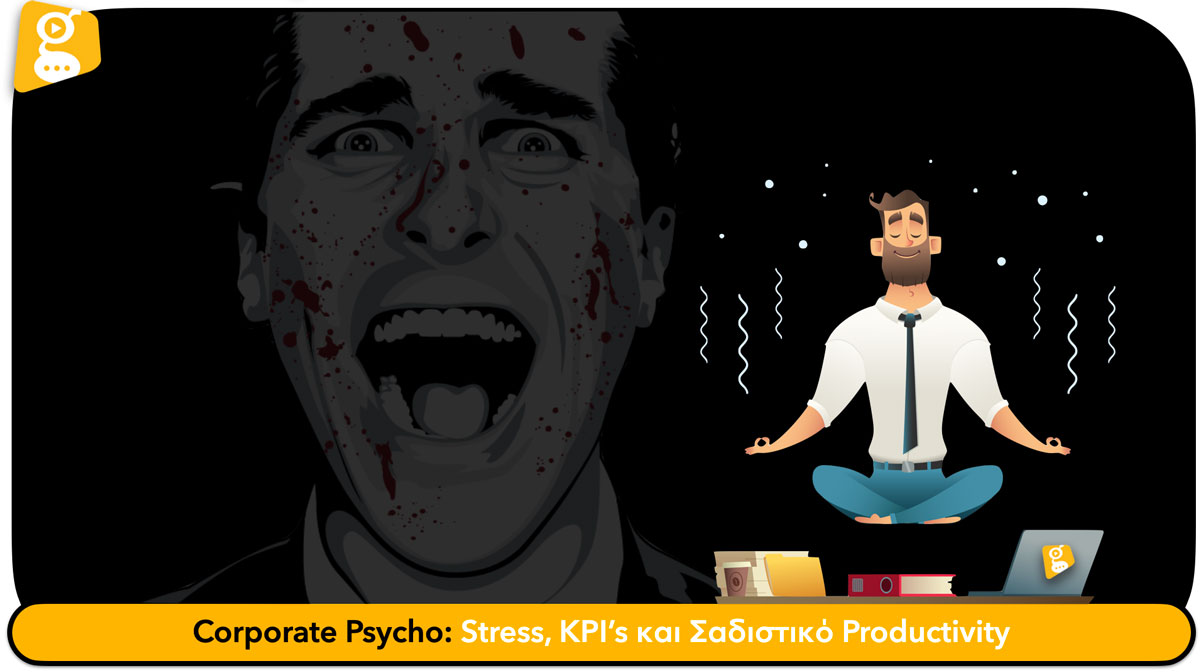
As a Training Manager, you’ve seen it all. From boring compliance training to leadership’s obsession with “productive hours.”
But now you’re faced with a mission harder than convincing a CEO to watch an entire e-learning module: persuading leadership that burnout is real and that training can actually fix it!
1 “Burnout Is NOT a Myth (Nor a Luxury)”
Burnout isn’t just a “bad day at the office.” According to the World Health Organization, it’s a professional syndrome that impacts productivity, health, and (surprise!) profitability. But try explaining that to leadership, and you’ll likely hear something like:
➡️ “Here we work — we don’t take vacations and yoga!”
➡️ “Stress is for the weak!”
➡️ “We have goals, not time for meditation!”
Okay, we get it. Time for a new strategy.
2 “If It Weren’t Important, Harvard Wouldn’t Say So”
They want evidence? You’ve got it! Research from top universities shows that companies investing in well-being and resilience programs have:
- 30% lower turnover rates
- 21% higher productivity
So, when someone in leadership says “We don’t have time for mindfulness”, reply with: “Then we’ll need to find time for the lost revenue.”
3 “No, This Is Not (Yet Another) Fluffy Training”
Let’s be honest: If your burnout training looks like a PowerPoint slide saying “Drink water and breathe deeply,” employees will feel even more hopeless.
Instead, the solution is a strategic training that connects mental resilience to business outcomes:
- Workshops on stress management (not theory — real techniques)
- Micro-learning sessions to improve focus and performance
- Simulations for navigating difficult workplace situations
- Leadership coaching – because managers who can’t manage their own stress pass it on to others!
4 “Training Survival in the World of KPIs”
The hardest part? Proving that burnout training actually puts money back in the bank.
Think of it this way:
- Less burnout = fewer sick leaves.
- Less exhaustion = better performance, meaning more revenue.
- Happier employees = lower turnover and reduced hiring costs.
Add these metrics to your training plan, and suddenly… they’re interested!
5 “Training or Survival Education?”
If the work environment feels like a survival game, training isn’t a luxury — it’s a survival tool. And your mission (should you choose to accept it) is to convince leadership that if they want productive people, they must keep them standing.
Otherwise, get used to hearing: “Sorry, but I resign.”
6 “American Psycho: The Side Effects of Stress and Burnout”
If leadership continues to see burnout as “a chance for stricter discipline” or “just a phase,” perhaps they should watch American Psycho. In the film, Patrick Bateman lives for status, money, and appearances but is empty inside — which, if we think about it, isn’t that different from companies chasing only the bottom line while ignoring employees’ psychological needs.
It’s like throwing money at productivity processes while the people inside the company are “zombies” from stress.
If they don’t begin to see mental well-being as a critical success factor, burnout won’t be their only “illness.”
If they let it grow, they may end up with a massive employee turnover rate and dead ends that can’t be fixed with more goals and KPIs.





Leave a Reply